Let me tell you about how I came to learn this. I was born in Kazakhstan, a country home to vast lands of untouched nature and mountains. Mountains that rival those of the Himalayas, Alps, and Andes. These were the mountains I got to call my backyard.
At a young age, my father would wake me at dawn and take me into the mountains, hikes I was physically unprepared for or had the skills to complete. And the 2 hours of sleep I would get from staying up late playing video games didn’t help. Time after time again, it became routine. Still, after all the time spent staring down into dirt, I never found the release from the mountains my father spoke about.
It was not until I moved to New York City at 18 that I began to miss the feeling of being surrounded by the contours of the peaks where the sun sets first. I realized that getting lost in nature, surrounded by company, or all alone, is the most freeing decision that one can make. Being in the mountains, disconnected from the world that flies by us at the speed of light, I felt myself slowing down. The noises and sounds in my mind slowly fading to a state of utmost clarity, that is where I wanted to be. Thoughts that would race through my head, and at times multiple, would convene into one clear line that you could stop and continue at command. I craved that feeling.
I have come to realize that what I grew up with, the simple joys of laying in a meadow, learning from my father who guided me, and being able to travel the world–was a true privilege. I'm migrating voluntarily, while about a billion other people aren’t. I choose to walk the path of the unknown.
I’ve tried to mimic the way of travel of the great explorers. I’ve read countless adventure books and relived the stories of the great ascents, the circumnavigations of the world and discovery of lost civilizations. I thought achieving that sort of experience in our age is impossible, with the way we are connected and the most remote places of the earth being so easily accessible. I tried to seek discomfort time and time again, sleeping at 5000m above sea level with my head pumping in pain in Bolivia, taking that sketchy taxi in the middle of the night for four hours into the amazon rainforest in Peru, hanging on a rope on the walls of the Matterhorn searching for a small hold to grab onto, being wiped out and thrashed trying to surf the breaks in El Salvador, hiking up a volcano on two hours of sleep in Guatemala, waking up at dawn in howling winds and rain in Patagonia, running out of air while 20m underwater amongst hammerhead sharks in Ecuador, and many more. And yet, I never felt like I was a true explorer, but I didn’t need to be. We live in an age where truly untouched parts of the world are hard to come by. They exist, just not at the scale that they used to. That is fine.
Just by walking the path that is less traveled,
I learned, lived and experienced more than I ever could if I didn't dare to get lost.
My dreams became memories.
The first trips I took were all influenced by what I was exposed to on social media: the checklist of hotspot destinations. In our age, when one wants to travel, they are exposed to countless images of the destinations they seek out to venture to. I did meticulous research before starting my journey: where I would stay, what I would eat, what I would see, what I would do, etc. I lived and experienced the trip before even setting foot on the plane, and the question of how I felt when I was actually on the trip slipped right past me. Always stressed, always rushed, always feeling that I am missing out on something that I was supposed to see or experience. I lived in the future, chasing the preconceived image in my mind that when I actually went through the experience, a picture of what is next was already on my mind. Being lost a bit is good, it requires being uncomfortable and on the edge. But it rewards you with the privilege of noticing the small details in the path you walk, in the people you interact with, and the experiences that surround you. It keeps you alert, scanning the horizon, finding your way. It ensures that you are not reading an instruction manual on How to Have a Great Trip. There is no manual or a set of instructions on life, why do you need one for your travels?
My challenges while travelling were the same as yours.
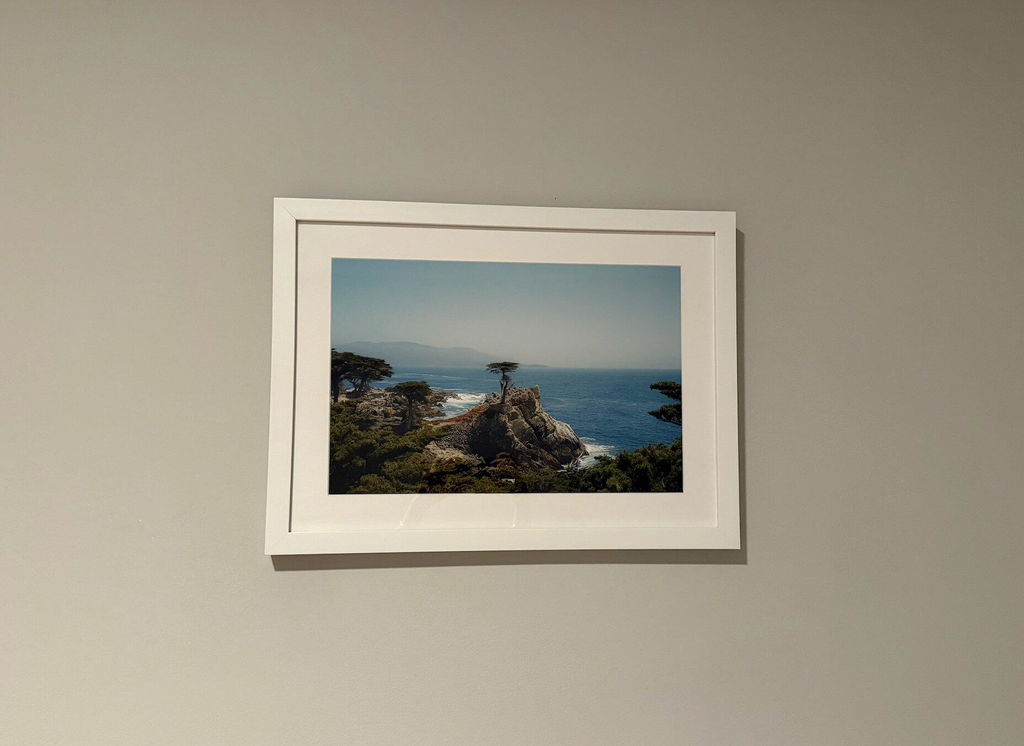
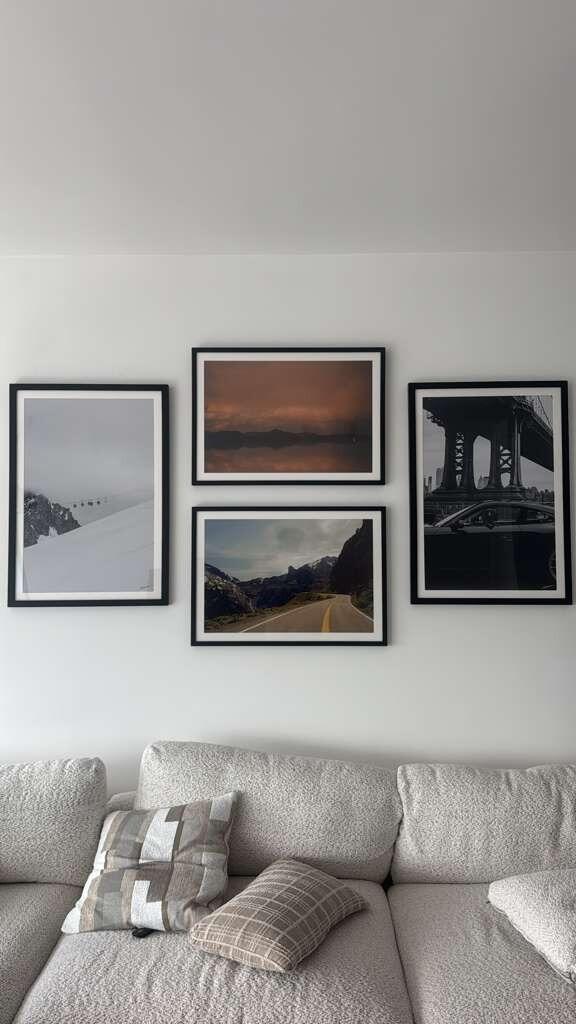
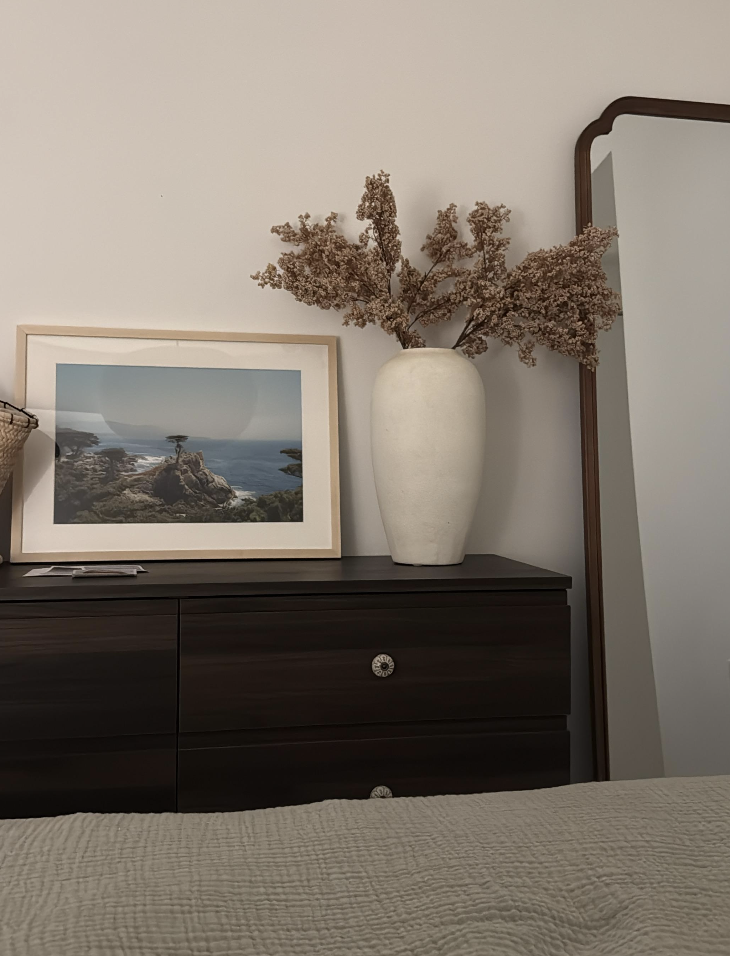
I have collected over 50,000 images through my travels, gone through multiple SD cards, backpacks, and too many pairs of shoes. For the longest time I kept the images to myself, as a diary that I could always look back on and relive my dreams. Selling my prints was always an idea that lingered, but I was scared that they were not good enough. Yet, I still climbed the mountains when I knew I was not good enough. I still tried to speak the local language when I did not have enough vocabulary. I still went on that first solo trip in the Himalayas knowing that I definitely did have the skills to be self-sufficient. If my prints inspire the slightest amount of people to follow their journey, to travel and explore the world, I will be giving back to the world all that it has given me.
I have a sense of direction, I know where I am going, but how I am going to get there is the journey that unfolds. Once I pick up my camera and venture into the unknown, the rest is yet to come.
Nice to meet you, my name is Zhan.